
User Tracking and Consent Management
Managing user tracking and consent while staying compliant.
Privacy regulations now affect virtually every business and non-compliance can result in devastating fines reaching tens of millions of dollars. Beyond legal risk, how you handle user data directly impacts customer trust, brand reputation, and your ability to compete in markets where privacy-conscious consumers increasingly choose businesses that respect their digital rights.
Understanding User Tracking & Consent
Modern websites rely on tracking for essential functionality and business intelligence. From remembering login credentials to understanding user behavior, tracking serves legitimate purposes:
- Personalization – Remembering preferences and delivering tailored experiences
- Analytics – Understanding how users navigate your site to improve their journey
- Advertising – Building targeted campaigns that connect with the right audiences
- Security – Protecting against bots and unauthorized access
Behind every website interaction, multiple tracking mechanisms capture data:
- Cookies – First-party cookies from your site and third-party cookies from external services
- Session Data – Temporary identifiers that expire when browsers close
- Browser Fingerprinting – Unique device characteristics that identify users without cookies
- Tracking Pixels – Invisible images that report user behavior across platforms
- Local Storage – Persistent data storage that survives cookie deletions
The average website uses dozens of tracking mechanisms. Without proper consent management, each one could put you at risk of non-compliance.
GDPR & ePrivacy Directive: What You Need to Know
The European Union's privacy regulations fundamentally changed how websites handle user data. These regulations carry penalties reaching tens of millions of euros.
The Requirements:
- Obtain explicit consent before setting non-essential cookies
- Provide clear, specific information about tracking purposes
- Document and store consent records
- Allow service access even when users decline tracking
- Make withdrawing consent as easy as giving it
The US Approach
While no federal US privacy law exists, most major tech companies follow EU regulations because their sites serve global audiences. California's CCPA creates similar obligations for businesses serving California residents.
What CMPs Do
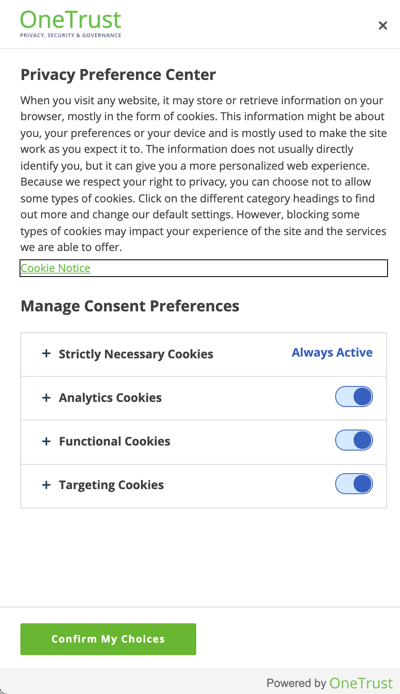
Consent Management Platforms scan your site, categorize cookies, prompt users for preferences, and manage ongoing consent. They handle:
- Cookie Categorization – Strictly necessary, functional, performance, and targeting cookies
- User Prompts – Banner displays customized for user location and preferences
- Preference Storage – Maintaining consent records across sessions and domains
- Withdrawal Tools – Easy access for users to revoke permissions
The Implementation Challenge
Adding a CMP isn't a complete solution. The platform manages preferences, but your site must honor those preferences across every page, script, and third-party integration.
Klish Group's Compliance Approach
Comprehensive Assessment
We audit your existing tracking infrastructure, identifying every cookie, pixel, and third-party integration. Our analysis reveals compliance gaps before they become costly problems.
Strategic Implementation Planning
Working with your stakeholders, we develop an implementation roadmap that addresses technical requirements while maintaining site functionality and user experience.
Technical Execution
Our team handles the complex work:
- Configuring consent management platforms
- Restructuring page load sequences to ensure compliance
- Modifying embedded content to respect user preferences
- Building frontend logic that checks consent before loading trackers
- Implementing proper cookie deletion on consent revocation
Ongoing Compliance Testing
We verify compliance across user journeys, geographic locations, and consent scenarios to ensure nothing slips through.